

Diesel Mechanic – Job Description, Salary, Training
Diesel Mechanic
Diesel mechanics (also known as diesel service technicians) are specialized professionals who inspect, repair, and maintain diesel engines in trucks, buses, construction equipment, agricultural machinery, and marine vehicles. With the transportation and logistics industry relying heavily on diesel power, skilled diesel technicians are in high demand across multiple sectors.
What Does a Diesel Mechanic Do?
Diesel mechanics perform critical maintenance and repairs to keep commercial and industrial equipment operating efficiently. Their primary responsibilities include:
Daily & Routine Tasks:
-
Diagnostic Testing: Use computerized diagnostic tools and software to identify engine problems, electrical issues, and emission system faults
-
Preventive Maintenance: Perform scheduled maintenance including oil changes, filter replacements, brake inspections, and fluid checks
-
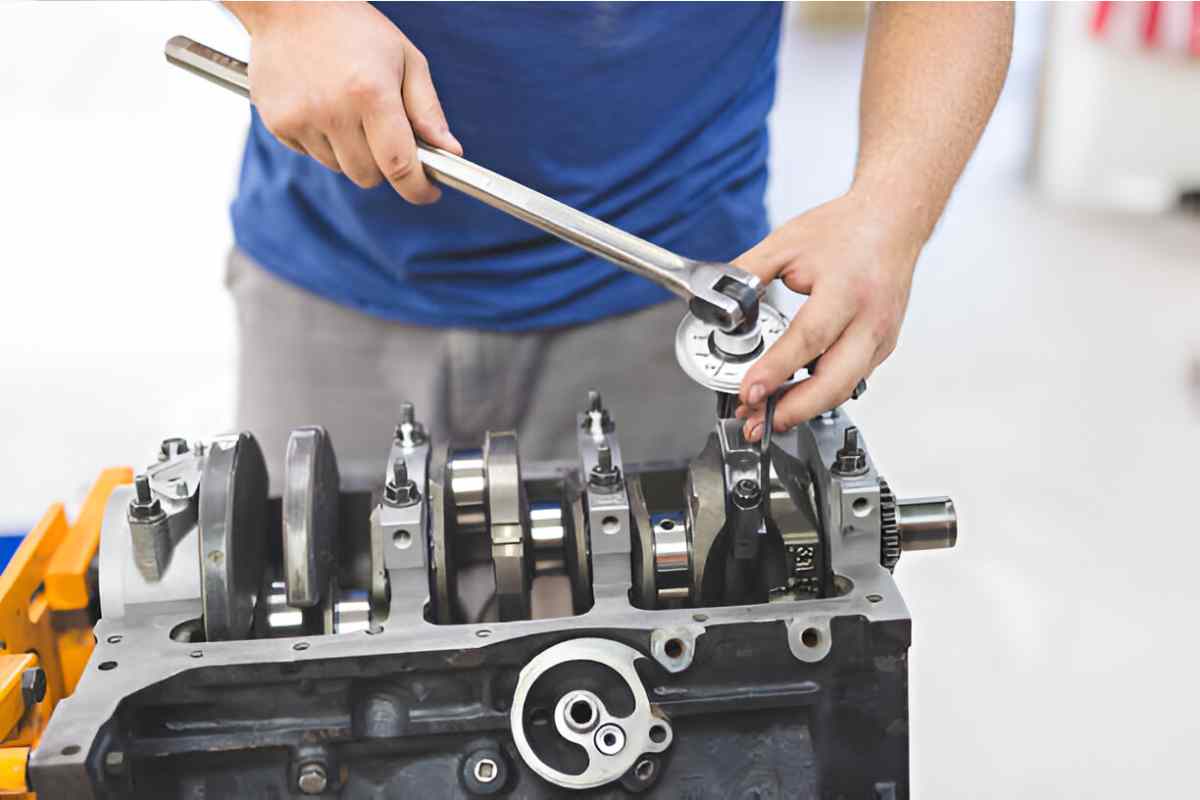
Engine Repair & Overhaul: Repair or replace defective components including pistons, rods, valves, bearings, and gaskets
-
Fuel System Maintenance: Service and repair fuel injection systems, turbochargers, and emission control systems
-
Electrical System Repair: Troubleshoot and repair wiring, alternators, starters, lighting systems, and electronic control modules
-
Brake & Steering Systems: Inspect, repair, and replace brake systems, steering components, and suspension parts
-
Cooling & Exhaust Systems: Repair radiators, water pumps, thermostats, and exhaust systems including after-treatment devices (DPF, SCR)
Specialized Skills Required:
-
Proficiency with diagnostic software (JPRO, Cummins Insite, Detroit Diesel Diagnostics)
-
Knowledge of hydraulic systems in construction equipment
-
Understanding of EPA and DOT regulations for emissions and safety
-
Welding and fabrication skills for custom repairs
-
Ability to read and interpret technical manuals and schematics
Diesel Mechanic Salary & Earnings Potential
Salary ranges for diesel mechanics vary based on experience, certifications, location, and specialization:
| Experience Level | Average Annual Salary | Hourly Rate | Top Industries |
|---|---|---|---|
| Entry-Level (0-2 years) | $35,000 – $48,690 | $17 – $23 | Dealerships, Small Shops |
| Mid-Career (3-7 years) | $48,690 – $62,000 | $23 – $30 | Trucking Companies, Municipal Fleets |
| Experienced (8+ years) | $62,000 – $75,780 | $30 – $36 | Mining, Construction, Marine |
| Master Technician (Certified) | $75,780 – $95,000+ | $36 – $46+ | Aerospace, Railroad, Specialty Fleets |
Source: Bureau of Labor Statistics (BLS), Salary.com, Indeed 2024 data
Highest Paying Industries for Diesel Mechanics:
-
Natural Gas Distribution: $77,000+
-
Railroad Equipment Repair: $73,500+
-
Aerospace Product Manufacturing: $72,000+
-
Pipeline Transportation: $70,500+
-
State Government (Transit): $68,000+
How to Become a Diesel Mechanic – Education & Training
Technical/Vocational School (Most Common)
-
Duration: 6 months to 2 years
-
Cost: $5,000 – $20,000
-
Certification: Earn a certificate or associate degree
-
Best Programs: Ranked programs focusing on diesel technology
Community College Associate Degree
-
Duration: 2 years
-
Degree: Associate of Applied Science in Diesel Technology
-
Advantage: More comprehensive theory + hands-on training
Manufacturer-Specific Training
-
Examples: Cummins, Caterpillar, Ford, Freightliner
-
Format: Often offered through dealership networks
-
Benefit: Brand-specific expertise valued by employers
Military Training
-
Branches: Army, Navy, Marines transportation divisions
-
Transfer: Skills directly transfer to civilian positions
Required Certifications & Licenses
ASE Certifications (Automotive Service Excellence)
The gold standard for automotive and diesel technicians:
-
Medium/Heavy Truck Certifications: Series T1-T8
-
School Bus Certifications: Series S1-S7
-
Advanced Level: Master Medium/Heavy Truck Technician
EPA Section 609 Certification
-
Required for working on MVAC (Motor Vehicle Air Conditioning) systems
-
Mandatory for handling refrigerants
State-Specific Requirements
-
Some states require separate licensing for specific repairs
-
Check with your state’s Department of Licensing
Manufacturer Certifications
-
Caterpillar: Dealer Service Technician
-
Cummins: Certified Technician
-
Ford: Diesel Engine Specialist
Career Advancement Opportunities
Diesel mechanics have multiple paths for career growth:
Vertical Advancement:
-
Junior Technician → Senior Technician → Master Technician
-
Shop Foreman → Service Manager → Shop Owner
Specialization Paths:
-
Diagnostic Specialist: Focus on computer systems and electronics
-
Heavy Equipment Mechanic: Construction, mining, agricultural equipment
-
Marine Diesel Technician: Boats, ships, maritime equipment
-
Railroad Mechanic: Locomotives and rail equipment
-
Field Service Technician: Mobile repair services
Related Careers:
-
Diesel Technology Instructor: $55,000 – $85,000
-
Parts Manager: $45,000 – $70,000
-
Fleet Maintenance Manager: $65,000 – $95,000+
-
Technical Writer (Manuals): $50,000 – $75,000
Work Environment & Job Outlook
Typical Work Settings:
-
Truck Dealerships & Repair Shops: 45%
-
Transportation & Warehousing: 20%
-
Construction Companies: 15%
-
Government/Municipal Fleets: 10%
-
Self-Employed/Mobile: 10%
2024-2034 Job Outlook:
-
Projected Growth: 4% (As fast as average)
-
New Jobs: 24,800 positions expected
-
Driving Factors: Increasing freight transport, aging vehicle fleet, complex emission systems requiring specialized skills
*BLS Projections 2024-2034*
Essential Tools for Diesel Mechanics
Diagnostic Equipment:
-
Electronic diagnostic scanners
-
Multimeters and oscilloscopes
-
Compression testers
-
Exhaust gas analyzers
Hand & Power Tools:
-
Comprehensive wrench and socket sets (SAE & Metric)
-
Impact wrenches and air tools
-
Torque wrenches (½” to 1″ drive)
-
Hydraulic presses and bearing tools
Shop Equipment:
-
Vehicle lifts (10-30 ton capacity)
-
Engine stands and cranes
-
Parts washers and cleaning tanks
-
Welding equipment (MIG, TIG, ARC)
Pros and Cons of Being a Diesel Mechanic
Advantages:
-
✅ High Demand: Consistent job opportunities
-
✅ Good Earnings: Above-average wages with overtime potential
-
✅ Minimal Student Debt: Compared to 4-year degrees
-
✅ Hands-On Work: Physical, tangible results
-
✅ Career Variety: Multiple industries and specializations