

Diesel Mechanic Life: My Journey, Tips, and How to Jump In
Man, if you’re eyeing a career as a diesel mechanic, you’re in for a ride—literally. I’ve spent over a decade turning wrenches on everything from semi-trucks to construction beasts, and let me tell you, it’s hands-on work that pays off if you love grease under your nails and solving puzzles that roar.
Back when I started, I was that guy fresh out of high school, staring at a rumbling Cummins engine wondering where to even begin. No fancy degrees, just curiosity and a willingness to get dirty. Today, with tech creeping into diagnostics, the diesel mechanic gig has evolved, but the core thrill? Fixing what hauls our world. In this deep dive, I’ll spill my stories, breakdown the skills you need, and guide you through landing your first gig—straight from the pit.
Why I Chose the Diesel Mechanic Path (And Why You Might Too)
Picture this: You’re 18, options are slim, and college debt sounds like a nightmare. I walked into a truck shop in Texas, saw guys earning solid cash without a four-year grind, and thought, “Sign me up.” Diesel mechanics keep fleets moving—trucks, buses, bulldozers—and downtime costs companies thousands a day.
It’s not glamorous, but the perks hit hard:
-
Job Security: Freight never stops; demand’s up 8% through 2032 per the BLS.
-
Pay That Builds: Starters hit $45K, vets like me pull $70K+ with OT.
-
Variety: One day it’s brakes on a Freightliner, next it’s hydraulics on a Caterpillar.
If you’re handy and hate desks, check out highest-paying work-from-home jobs for contrast—but trust me, shop life beats screens.
My First Day as a Diesel Mechanic: The Brutal (But Awesome) Truth
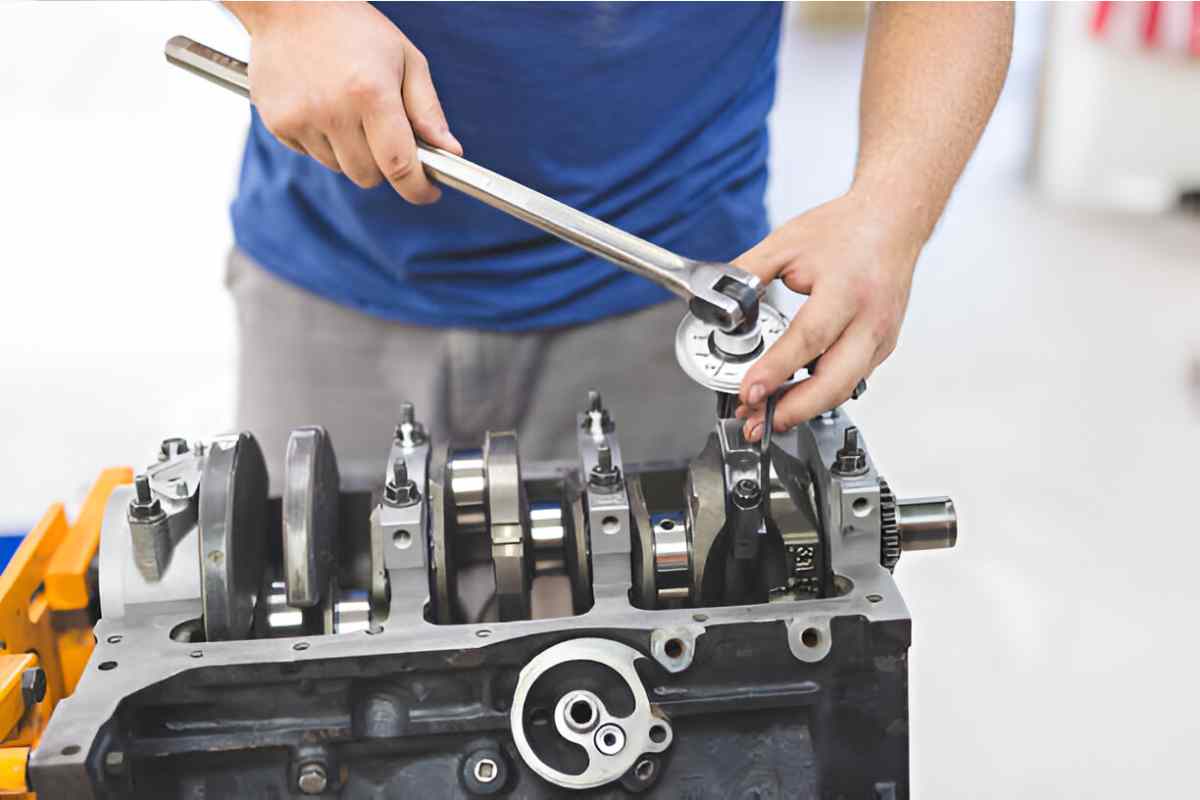
I showed up in boots that weren’t steel-toed—lesson one learned quick. Boss hands me a torque wrench and says, “Tune that injector.” Panic? Yeah. But shadowing a senior diesel mechanic taught me fast.
Common newbie shocks:
-
The Smells and Sounds: Oil, exhaust, air tools blasting—it’s sensory overload.
-
Physical Toll: Lifting 50-lb tires, crawling under rigs in 100° heat.
-
Shift Work: Nights and weekends if you’re on-call for breakdowns.
Pro tip: Hydrate like crazy and stretch. That first paycheck? $18/hour felt like gold after wrestling a fuel pump solo.
Essential Skills Every Diesel Mechanic Needs
You don’t need a PhD, but core chops separate pros from posers. I’ve trained dozens; here’s what sticks.
Mechanical Basics:
-
Understand engines: Diesel cycles, turbochargers, common-rail injection.
-
Brakes and suspension: Air systems, ABS on heavies.
-
Electrical Diagnostics: Scanners pulling codes—OBD-II for trucks now standard.
Soft Skills That Save Your Bacon:
-
Problem-solving under pressure—a no-start at 2 AM tests your grit.
-
Customer chat: Explaining “why your rig’s puking smoke” without jargon.
Tech’s booming too—diesel mechanic tools like JPRO software or Cummins INSITE make you indispensable. Link it to video game stores near me for downtime fun, but master AllData for repairs.
Tools of the Trade: What I Can’t Work Without
My toolbox is my office. Started with basics; now it’s a rolling arsenal.
Must-Haves Under $500:
-
Snap-on torque wrench (calibrated life).
-
Inch-pound deep sockets—triple-square for Germans.
-
Multimeter for wiring gremlins.
Big-Ticket Game-Changers:
-
Scan tools: $2K investment, pays for itself weekly.
-
Transmission jacks—don’t lift solo.
Budget hack: Hit flea markets or Ashley Furniture near me for shop benches. I splurged on a Hunter alignment rack—worth every penny for wheel work.
Training Paths: Diesel Mechanic School or OJT?
I went old-school: Community college CDL program, then apprentice gig. But options abound.
Formal Routes:
-
Trade Schools: 6-12 months at UTI or Lincoln Tech—$20K but job placement gold.
-
Community Colleges: Cheaper, flexible; ASE cert prep included.
-
Military: Free training if you’re enlisting.
On-the-Job (My Way):
-
Start as a lube tech, shadow, earn ASE seals.
-
Online: Penn Foster for theory, $1K total.
Certifications? ASE T-series are king—Medium/Heavy Truck. I got mine after 2 years; doors flew open. For insurance angles, peek Hugo Insurance for shop coverage tips.
Daily Grind: A Week in My Diesel Mechanic Life
Monday: Oil changes, DOT inspections on 10 rigs.
Tuesday: Engine overhaul—tearing down a Detroit DD15.
Wednesday: Welding exhausts, PM services.
Thursday: Road calls—tow truck to a stalled Peterbilt.
Friday: Diagnostics marathon, then beers with the crew.
Weekends? OT goldmine during harvest or holidays. Burnout’s real—rotate tasks, hit the gym.
Salary Breakdown: What Diesel Mechanics Really Earn
No BS: Entry-level $18-22/hour ($38K-45K yearly). With experience:
-
5 years: $55K-65K.
-
Foreman: $80K+.
-
Own shop? Six figures easy.
Factors boosting pay:
-
Union shops (Teamsters).
-
Overtime—1.5x after 40.
-
Location: Oil fields (ND, TX) crush averages.
Taxes eat 25%, but tools depreciate. Track via apps; I’ve doubled take-home with side gigs.
Job Hunting: Landing Your Diesel Mechanic Spot
Resumes? Weak. Shops want hands-on proof.
My Winning Moves:
-
Network at truck stops—chat drivers.
-
LinkedIn: “ASE Certified Diesel Tech Seeking Bay.”
-
Indeed/Facebook groups: “Diesel Mechanic Wanted” posts.
Interviews: Dress clean, know your EPA 13 basics. I aced one demoing a turbo swap. For cricket fans downtime, see PNU19 vs BNU19—but focus on Pick-Kart for tool deliveries.
Cover Letter Hack:
“Hi, I’m the guy who rebuilt a Cat C15 in 8 hours flat. Let’s talk.”
Challenges and How I Beat Them
Injuries: Slips, strains—PPE always, ergonomics key.
Tech Overload: ADAS, DEF systems—YouTube + forums.
Economy Dips: Freight slows? Pivot to ag or mining.
Mental game: Crew camaraderie helps. I quit once from burnout—came back wiser.
Women in Diesel Mechanics: Breaking Barriers
Shoutout to ladies crushing it—my shop’s got two. Challenges? Size bias, but skill wins. Programs like Women in Nontraditional Careers boost entry.
Future of Diesel Mechanics: Electric Shift?
EVs loom, but diesels rule semis (range king). Hybrids need diesel mechanics versed in batteries. Upskill now—EV certs via NAPA.
Side Hustles and Entrepreneurship
Mobile repairs: Buy a service truck, charge $125/hour. I do weekends, bank $2K/month. Or flip parts on eBay.
Health and Safety: Staying Whole Long-Term
Back killer? Core workouts. Hearing? Plugs in. Cancer risks from fumes—ventilate, wash up.
Routine: Annual physicals, union benefits.
My Best Advice for Aspiring Diesel Mechanics
Start small, learn daily, cert up. It’s grindy but rewarding—fixed a family’s stranded RV last week, pure hero vibes.