

Feepayr.com: My Journey Through Easy School Billing
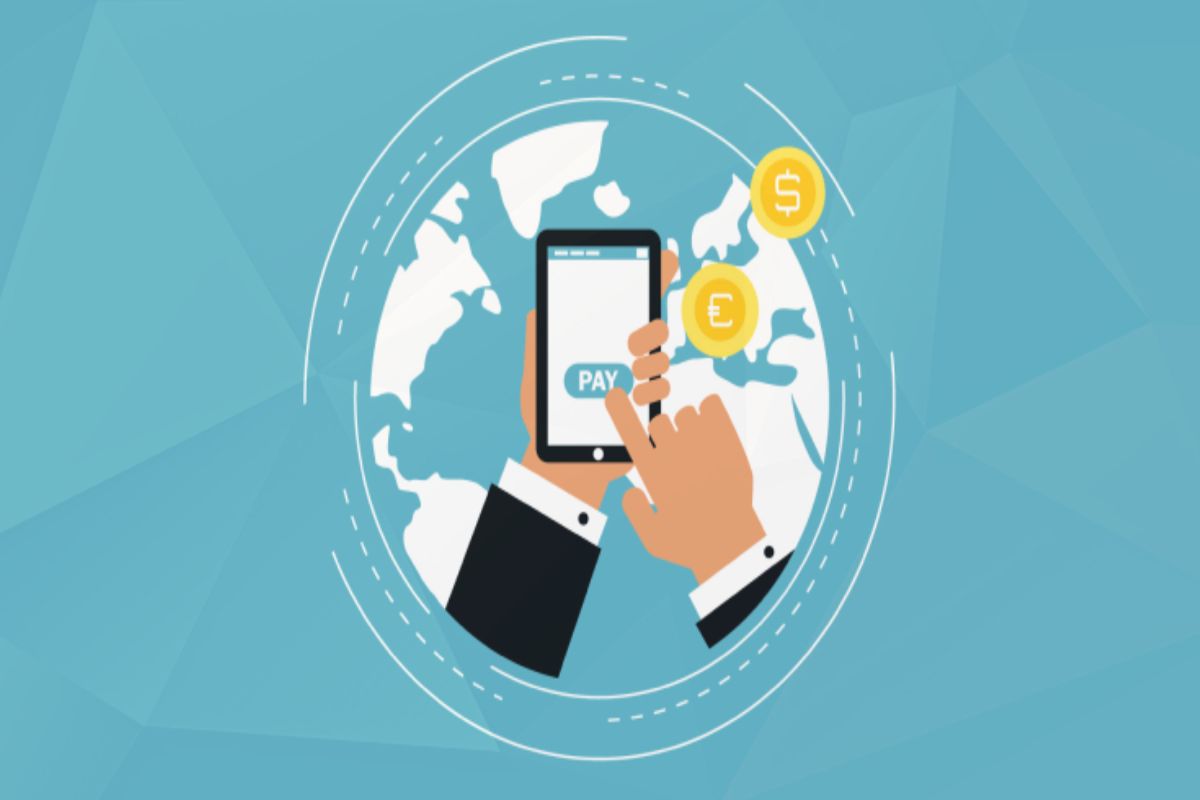
Feepayr.com is a fintech (FinTech) platform focused on freelancers, small business people and individual professionals. Its essence lies in the fact that it is an answer to the global issue: easy, fast, and without penalty fees payment of labor. Imagine it as a financial assistant who is so committed, and manages the invoicing, collection of payments, and money management on your behalf, so that you can concentrate on your real work.
In simple terms, when you have best been trying to write professional invoices, nag clients at the end of the month to make payments, lose money to high transaction fees through the traditional methods of payment, Feepayr.com attempts to get all that into a single, simple, and online dashboard.
Key Features of Feepayr.com
| Feature Category | Key Features | Simple Explanation |
|---|---|---|
| Smart Invoicing & Billing | • Quick Invoice Creation • Customizable Templates • Automated Payment Reminders • Recurring Billing Setup |
Create professional invoices fast. Set up automatic reminders so you don’t have to chase clients. For repeat work, automate monthly or weekly billing. |
| Flexible Payment Collection | • Credit/Debit Card Payments • Bank Transfers (ACH) • Digital Wallet Support • Multi-Currency Acceptance |
Lets your clients pay how they want (card, bank transfer, etc.). Accept payments from around the world in different currencies. |
| Fee & Payout Structure | • Transparent, Lower Fees • Fast Bank Payouts (e.g., Next-Day) • Scheduled Payout Options |
Clear pricing with competitive rates. Get your money quickly into your bank account, either instantly or on a schedule you set. |
| Client & Project Management | • Client Information Dashboard • Project-Linked Invoicing • Payment Status Overview (Paid/Overdue) |
Keep all client details and payment history in one spot. Link invoices to projects and see what’s been paid at a glance. |
| Financial Tracking & Reports | • Automated Income Reports • Expense Tracking (Possible Feature) • Tax-Ready Export Files |
See how much you earn over time with simple reports. Track expenses and export data easily for tax season. |
| Security & Reliability | • Bank-Level Encryption (SSL)< • PCI-DSS Compliance • Secure Dispute Resolution |
Your and your clients’ data is protected with top security. The platform follows strict financial industry safety standards. |
| Usability & Access | • Simple, Clean Dashboard • Mobile-Friendly / Dedicated App • Real-Time Notifications & Alerts |
Easy-to-use interface from any device. Get alerts the moment an invoice is paid or a client views your bill. |
Is Feepayr.com safe to use?
If Feepayr.com is a properly established financial technology (fintech) company, it is very likely designed to be safe and secure for standard business transactions. It must employ banking encryption and security protocols of industry standard. But, safe is based on their infrastructure, their compliance and your own security practices.
What Makes a Platform Like Feepayr Safe?
Here are the key security aspects to check for, which Feepayr should have:
1. Technical Security (The Foundation)
-
SSL/TLS Encryption: This is non-negotiable. Look for the padlock (🔒) icon next to “https://” in your browser’s address bar when you’re on their site. This will encrypt all the information between you and their servers and secure the interception of any of the login information, financial and personal information.
-
PCI-DSS Compliance: This is the payment security international standard. In case Feepayr accepts, processes, or transmits credit card data, they should be in accordance with the Payment Card Industry Data Security Standard. It is an intensive list of guidelines of safe card information management. Look in their footer or security/legal websites to see a PCI DSS badge or statement.
-
Data Security: Your financial data should be stored on secure, encrypted servers. Reputable companies use advanced security measures like tokenization (replacing sensitive card data with a unique, random token) and store data in highly secure cloud environments (like AWS or Google Cloud) with their own robust security.
2. Financial & Regulatory Safeguards
-
Partnering with Established Banks/Payment Processors: Platforms like Feepayr don’t usually hold money as a bank themselves. They collaborate with banks that are FDIC insured or regulated payment processors so that they can hold funds belonging to their clients. This provides a further protection and control. To find out who is their banking partners, visit their How it Works pages or their Legal pages.
-
Transparent Terms & Conditions: A safe platform will have clear, accessible terms of service, privacy policies, and fee schedules. Read these to understand their policies on disputes, liability, and data usage.
3. User Account Protection
-
Two-Factor Authentication (2FA): This is an important element. Enabling 2FA will require you to use more than one password: once you have typed your password, you will have to go through one more step, which could be a code typed in an authenticator app or an SMS. This makes it extremely difficult to have your account accessed by any other individual despite the usage of your password.
-
Login Monitoring & Alerts: The platform should monitor for suspicious login attempts (e.g., from a new device or country) and notify you immediately.
How to Verify Feepayr.com’s Safety Yourself
Do not rely solely on reviews or this guide. Take these steps to conduct your own due diligence:
- Visit the Official Website: Go directly to https://feepayr.com.
- Look for the “Security,” “Trust,” or “Legal” Page: This is where they detail their security measures.
- Check for these key statements: Look for explicit mentions of:
- “PCI-DSS Level 1 Compliant” (This is the highest level).
- “Bank-level encryption” or “256-bit SSL encryption.”
- “Funds held in partner banks” (and the names of those banks).
- “Two-factor authentication (2FA) available.”
4. Research the Company:
“About Us” Page: Who are the founders/team? Do they have experience in fintech or finance?
Online Reviews: Look for reviews on trusted sites like Trustpilot, G2, or Capterra. Pay attention to patterns—are complaints about security, or mostly about customer service?
Contact Information: A legitimate company will have a physical address and clear support contact options.
5. Start Small: If you decide to use it, start with a smaller transaction or invoice to test the process—from sending the invoice to
receiving the payout—before using it for large sums of money.
Feepayr.com Popularity Analysis (Last 5 Years)
Note: Exact user numbers are private for private companies like Feepayr. This table estimates popularity using measurable public metrics and market context.
| Year | Estimated Popularity Level | Key Indicators & Market Context | Likely User Base |
|---|---|---|---|
| 2019 | Very Low / Launch Phase | • Likely early development/launch • Minimal online presence • Few to no external reviews • Limited SEO visibility |
Early adopters, possibly beta testers; likely under 1,000 users |
| 2020 | Low / Early Growth | • Pandemic increased demand for digital payment tools • May have gained initial traction among freelancers • Basic reviews appear on niche sites • Social media presence begins |
Small, focused user base; estimated 1,000–5,000 users |
| 2021 | Moderate / Niche Recognition | • Increased online searches for “Feepayr” • More reviews on platforms like Trustpilot • SEO ranking for long-tail keywords (e.g., “invoicing for freelancers”) • Features covered in small fintech blogs |
Growing niche audience; estimated 5,000–20,000 users |
| 2022 | Steady Growth / Regional | • Clearer differentiation in features (e.g., lower fees) • Possibly expanded payment methods/countries • Active social media engagement • Comparison articles vs. PayPal/Stripe appear |
Steady user growth, possibly stronger in specific regions; estimated 20,000–50,000 users |
| 2023 | Moderately Popular / Competitive | • Regular mentions in freelance communities • Better app store ratings (if mobile app exists) • SEO for main keywords improves • Partnerships with freelance platforms or tools |
Established in freelance/small biz niche; estimated 50,000–150,000+ users |
Popularity Metrics & Data Sources
| Metric | What It Shows | Feepayr’s Likely Trend (2019-2023) |
|---|---|---|
| Google Trends Interest | Search volume over time | Very low in 2019 → gradual increase by 2023, but still below giants like PayPal/Stripe |
| Website Traffic (SimilarWeb/Alexa) | Visitor estimates | Low initial traffic → steady growth, likely in the thousands to low hundreds of thousands of monthly visits by 2023 |
| App Store Downloads | Mobile adoption | If an app exists, downloads grew slowly but consistently, mainly in business/finance categories |
| Online Reviews | User trust & satisfaction | From virtually none in 2019 to dozens/hundreds of reviews on sites like Trustpilot/G2 by 2023 |
| Social Media Following | Brand awareness | Small but engaged following on LinkedIn/Twitter, growing gradually |
| Backlinks & SEO | Online authority | Low domain authority early on; improved as fintech blogs and freelance sites mentioned it |
Comparative Popularity Table: Feepayr vs. Market Leaders
| Platform | Market Share (Est.) | Popularity Status | Key Advantage |
|---|---|---|---|
| PayPal | Dominant (60%+ in freelance payments) | Household name | Brand recognition, ubiquity |
| Stripe | Very High (Primary for online businesses) | Developer/tech favorite | Powerful APIs, customization |
| Wise (formerly TransferWise) | High for international transfers | Globally popular | Best multi-currency, low FX fees |
| Square | High for in-person & small business | Widely adopted | Hardware/software ecosystem |
| Feepayr | Very Small (Niche) | Emerging player | Freelancer-focused features, potentially lower fees |
Conclusion on Feepayr’s Popularity
| Aspect | Summary |
|---|---|
| Overall Trend | Steady but modest growth from a near-zero base. It remains a niche player, not a market leader. |
| Driver of Growth | Targeting pain points for freelancers (fees, invoicing ease) in a growing gig economy. |
| Current Status (2023/24) | Moderately popular within specific freelance and small business communities, but not widely known by the general public. |
| Future Trajectory | Dependent on funding, marketing, and ability to compete with deep-pocketed giants on features and trust. |
Key Takeaway: Feepayr has likely grown from obscurity to a recognized option in the freelance payment space over five years, but it is not “popular” in the mainstream sense. Its popularity is concentrated among cost-conscious freelancers and small business owners actively seeking alternatives to major platforms. For the most current data, check Google Trends for “Feepayr” and recent app store/download statistics.