
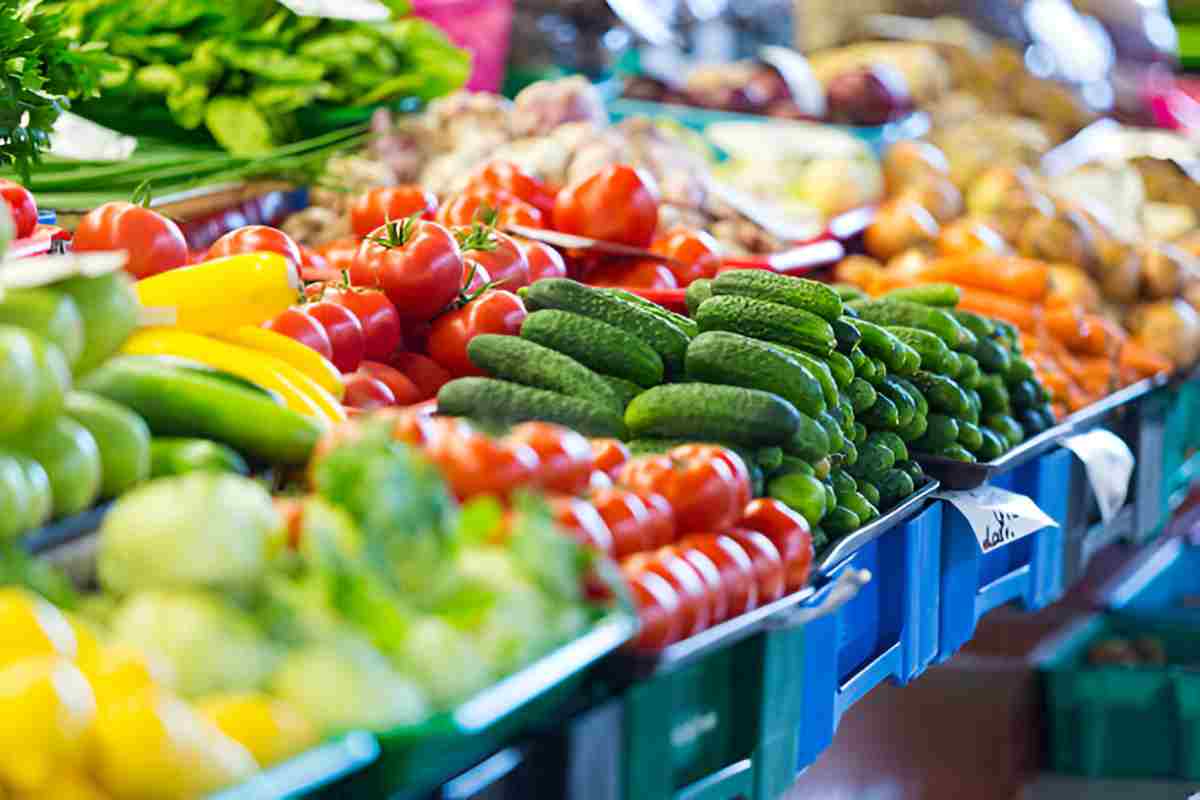
Harvest Markets: From Global Giants to Your Local Grocer
What is a Harvest Market?
The term “Harvest Market” can refer to two main concepts:
-
A Generic Term: Any agricultural marketplace, farmers’ market, or wholesale distribution center where freshly harvested crops, fruits, vegetables, flowers, and sometimes livestock are bought and sold. This is its most common and literal meaning.
-
A Specific Brand/Store Name: “Harvest Market” is also a popular name for independent and chain grocery stores, especially in the US (e.g., in California, the Midwest, and the Northeast). These stores often focus on natural, organic, and locally-sourced foods, playing on the “farm-fresh” imagery of the generic term.
The World’s Largest Harvest Markets (Agricultural Wholesale Markets)
These are physical hubs where vast quantities of produce are traded daily, forming the backbone of regional and global food supply chains.
Here is the information in a detailed table format:
| Scale | Name & Location | Key Details & Why It’s Considered “Biggest” |
|---|---|---|
| World | New Delhi Azadpur Mandi (APMC) City: New Delhi Country: India |
The undisputed largest in the world by physical size and volume. • Area: Sprawls over 80 hectares (~200 acres). • Daily Volume: Handles over 3.5 million metric tons of fruits and vegetables annually, with thousands of tons traded daily. • Function: The primary wholesale hub for North India, supplying a population of hundreds of millions. |
| Country (USA) | Hunts Point Produce Market City: The Bronx, New York City State: New York |
The largest wholesale produce market in the United States. • Volume: Supplies about 60% of the New York City region’s fresh produce (serving 22 million people). • Economic Hub: Generates over $2 billion in annual revenue. It is a massive distribution center where food is received and then dispersed to thousands of businesses. |
| State (California, USA) | Los Angeles Wholesale Produce Market City: Los Angeles State: California |
The largest produce market on the West Coast of the USA. • Scale: A 50-acre complex with over 150 vendors. • Gateway: Handles a huge percentage of produce entering California, the nation’s top agricultural state, and distributes it throughout the Western U.S. |
| City (Conceptual) | Rungis International Market City: Paris (located in Rungis, a suburb) Country: France |
The largest wholesale food market of any kind in the world. While not exclusively “harvest” (it includes seafood, meat, cheese, flowers), its produce section is colossal. • Size: Covers 232 hectares (~573 acres). • Scope: Supplies Paris, much of France, and exports to Europe. It replaced the historic Les Halles market and operates as a city-within-a-city dedicated to food. |
Important Clarifications & Related Concepts
| Concept | Description | Relation to “Harvest Market” |
|---|---|---|
| Farmers’ Market | A retail market where farmers sell directly to consumers. Focuses on local, seasonal produce. | This is what many people picture as a harvest market—a community-oriented, open-air market. |
| Futures Market (e.g., CBOT) | A financial exchange where contracts for future delivery of agricultural commodities (wheat, corn, soy) are traded. | This is the financial and price-setting side of the harvest. It’s not a physical market for handling produce, but it determines global prices. The Chicago Board of Trade (CBOT) is the most famous. |
| Specialized “Biggest” Examples | • Largest Fish Market: Toyosu Market, Tokyo (replaced Tsukiji).
• Largest Flower Auction: Royal FloraHolland, Netherlands. |
These are the “biggest harvest markets” for their specific commodity type. |