
High Resolution:Scja8jin8yq= Eye Test Chart
Risks of Using a Home Eye Test Chart Incorrectly
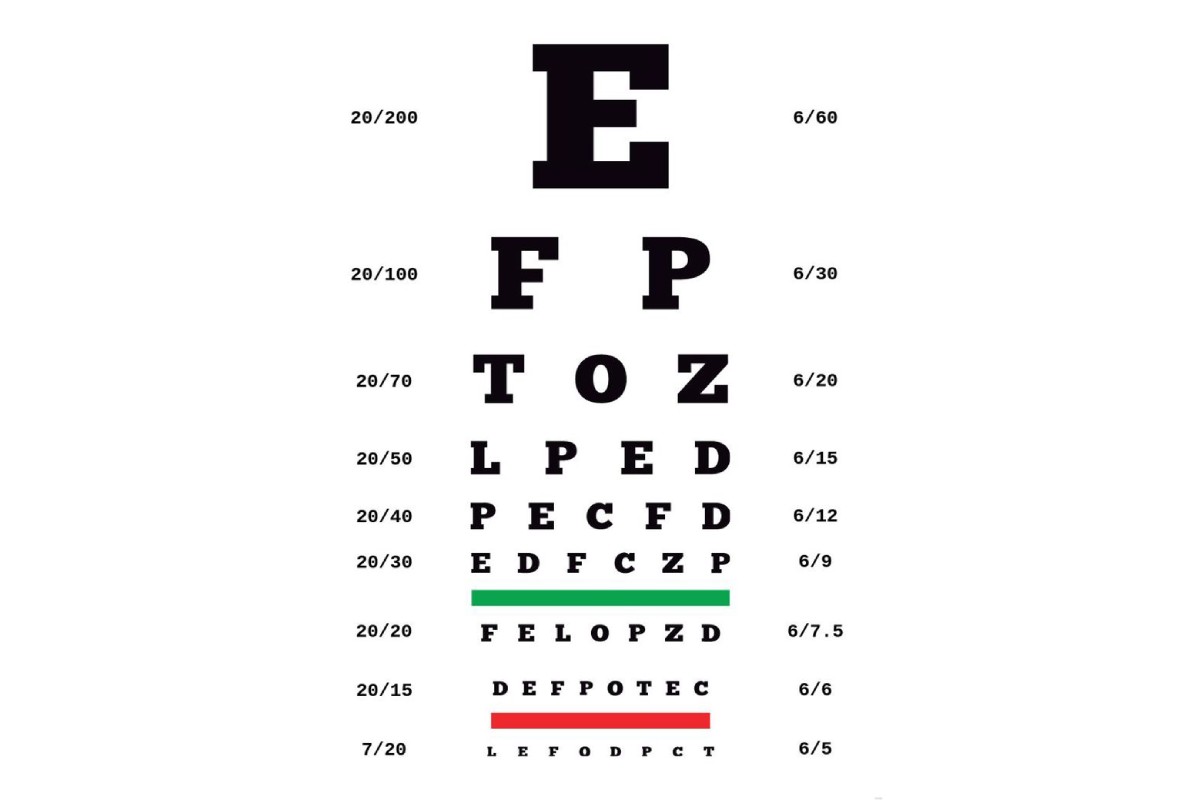
Using a high‑resolution Snellen chart at home is convenient, but there are real risks if you treat it like a full medical exam.
If you rely only on this printable chart and skip regular visits to an optometrist, you can miss serious eye problems such as glaucoma, cataracts, or retinal disease that do not always affect your basic distance vision in the early stages.
Another risk is false reassurance. If you mis‑measure the 20‑foot distance, print the chart at the wrong scale, or test in poor lighting, you might think you have “perfect” vision when in fact your results are off.
That can delay getting glasses, contact lenses, or medical treatment you actually need, especially if you already notice headaches, eye strain, or blurry text during daily tasks.
Real‑Life Examples of When a Snellen Chart Helps
A home Snellen chart is most useful as a quick check between professional exams, not as a replacement.
For example, someone who works long hours on a computer might print the chart, test vision every few months, and notice that the 20/20 line is getting harder to read over time, which is a sign to book an eye appointment.
Parents can also use the chart as a simple screening tool with children who say the classroom board looks fuzzy.
If a child struggles with larger lines or stands closer than 20 feet to read comfortably, that result supports your decision to schedule a pediatric eye exam sooner rather than later.
How to Research Eye Health Before Your Appointment
When you see changes on your home eye test chart, it is smart to do a bit of research so you can ask better questions at the clinic.
Look up basic information from trusted medical sources about common issues like myopia, hyperopia, astigmatism, and computer vision syndrome so you recognize the terms your doctor uses.
You can also prepare a simple vision “log” before your visit: write down your Snellen results, how far you were standing, the lighting conditions, and when symptoms such as headaches or double vision appear.
Think of it in the same practical way you would research other life decisions, such as comparing different insurance options or rating local service providers, which are topics covered elsewhere on Businesses Field.
FAQ: Home Eye Test Chart Questions Answered
Can I trust a printable eye test chart for accurate results at home?
You can trust a properly printed and correctly used chart for rough screening, but not for a final diagnosis or prescription.
A printable high‑resolution Snellen chart gives you an estimate of your visual acuity; only an eye care professional with specialized equipment can confirm your exact prescription and check the health of your eyes.
Is a “home eye test for 20/20 vision” enough for drivers or workers?
No, a home chart is not enough if you need certified results for driving licenses, safety‑sensitive jobs, or official forms.
Government offices and employers usually require vision tests performed and documented by licensed professionals, and a home printout will not meet those standards.
How often should I use a printable eye chart between exams?
Most adults can use a home chart every few months simply to monitor whether lines that were once clear are now blurry.
If you already wear glasses or contacts, you might check more frequently if you feel your lenses are no longer sharp, but you should still follow your optometrist’s recommended exam schedule.
Are there risks for kids if parents rely only on an online or printable eye test?
Yes, relying only on online or printable tests can delay early diagnosis of conditions such as lazy eye or alignment issues that respond best to early treatment.
Children should have full, age‑appropriate exams at intervals recommended by a pediatric eye specialist, even if they read the home chart well.
“How to Use a Printable Snellen Eye Chart for Safe Vision Screening at Home”
To use a printable Snellen chart safely, focus on accuracy and consistency.
Always print at 100% scale, measure the 20‑foot testing distance with a tape measure rather than guessing, and keep the room evenly lit without glare on the paper.
Repeat the test in similar conditions each time so you are comparing like with like, just the way you would compare prices or features when researching other important decisions.
If your results change noticeably from one session to the next, or one eye performs much worse than the other, treat that as a signal to schedule a professional exam soon.
Internal Linking Ideas for This Eye Test Page
Here are natural places where you can add internal links to other articles on BusinessesField.com:
-
In the “research” section, link phrasing like “comparing different insurance options” to your no down payment car insurance article.
-
When you talk about work and eye strain, link “work from home” or “remote jobs” wording to your work from home jobs or highest paying RN work from home jobs posts.
-
If you create any health‑ or safety‑related guides in the future, you can link them from the FAQ section using anchor text such as “health‑related decision‑making” or “checking reliability before you choose a service.”