

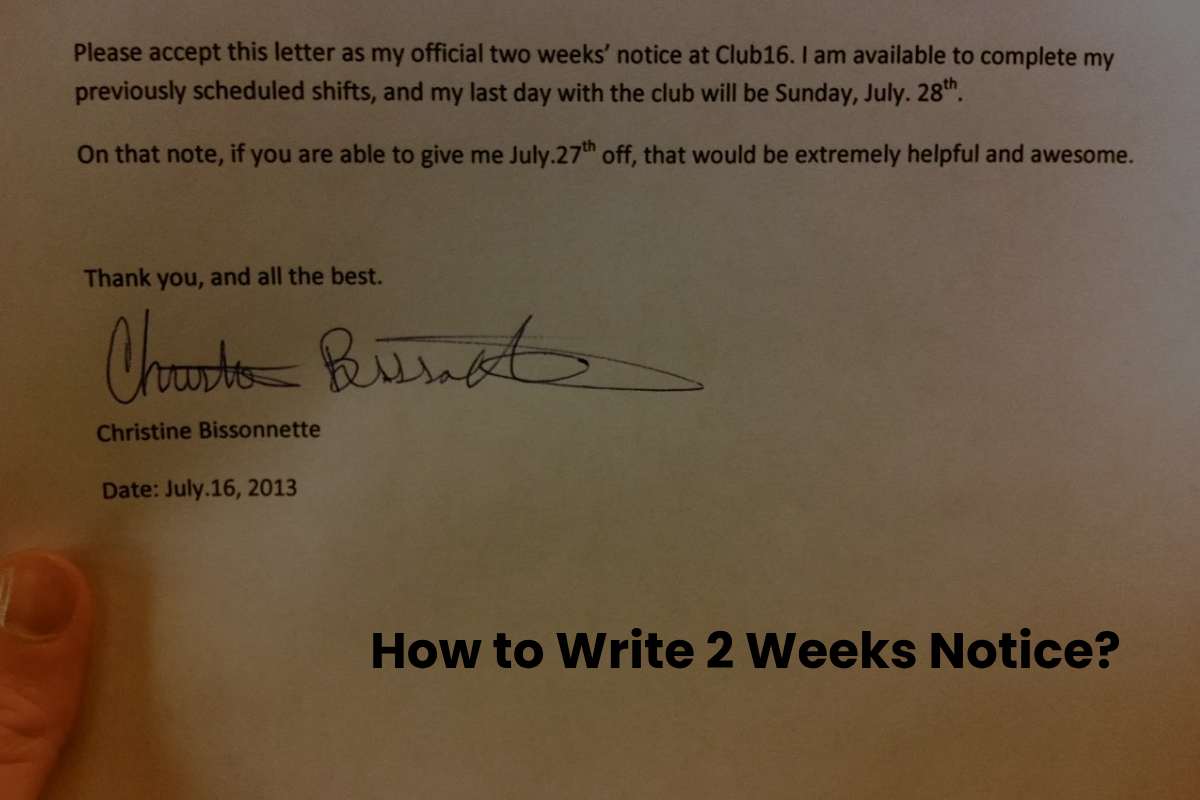
How to Write a Two Weeks’ Notice
Quitting a job is a significant career step, and how you handle your departure can have lasting impacts on your professional reputation. Writing a formal two weeks’ notice is not just a courtesy; it’s a critical career skill. This guide provides actionable steps, expert insights, and templates to ensure you leave your current role positively and professionally.
Why a Formal Two Weeks’ Notice Matters
A 2023 survey by the Society for Human Resource Management (SHRM) found that 95% of HR professionals view a professional resignation as a key factor in considering a former employee for rehire (boomerang employee). Furthermore, a study by LinkedIn revealed that 85% of hiring managers have checked references and former employers of candidates, making your final impression crucial.
Put simply: A well-handled resignation protects your network, preserves your references, and keeps future doors open.
How to Write a Perfect Two Weeks’ Notice
1: Prepare Before You Write (The Crucial Prelude)
-
Review Your Contract: Check your employment agreement or employee handbook for any specific resignation requirements (e.g., required notice period, resignation procedures).
-
Plan Your Transition: Briefly document your key responsibilities, ongoing projects, and any necessary passwords or contacts. This shows proactive professionalism.
-
Choose the Right Timing: Aim for a quieter time in the workweek, ideally mid-morning Tuesday or Wednesday. Avoid Mondays (too hectic) and Fridays (the news may linger over the weekend).
2: Tell Your Manager First (The Golden Rule)
Never let your resignation be a surprise via email or, worse, office gossip. Schedule a brief, private conversation with your direct manager. Verbally resign first, then immediately provide your written notice. This shows respect and maintains trust.
What to say verbally: “I’ve accepted another opportunity, and I’m submitting my formal resignation. My last day will be [Date]. I’m committed to making this transition as smooth as possible.”
3: Write the Formal Letter (The Core Components)
Your letter should be concise, positive, and clear. Keep it to 4-5 sentences maximum.
Essential Elements:
-
Clear Statement of Resignation: State your position and your intention to resign unequivocally in the first sentence.
-
Final Date of Employment: Include your specific last day, calculated as two weeks from the date you submit the letter.
-
Expression of Gratitude: Thank the company and/or your manager for the opportunity. Mention a specific skill or positive experience.
-
Offer to Assist with Transition: Briefly offer to help train a replacement or document processes.
-
Professional Closing: End with well wishes for the company’s future.
4: Submit and Navigate the Final Two Weeks
-
Submit the letter via email (PDF format) to your manager and HR, after your verbal conversation.
-
Stay Professional: Avoid “checking out.” Complete as much work as possible and tie up loose ends.
-
Prepare for an Exit Interview: If offered, keep feedback constructive and high-level. Focus on the positive reasons for your move (new challenge, growth) rather than listing grievances.
-
Connect with Colleagues: Update your LinkedIn profile and connect with coworkers you wish to stay in touch with.
Two Weeks’ Notice Templates (Copy, Paste, Customize)
Template 1: Standard & Professional
Subject: Resignation – [Your Name]
Dear [Manager’s Name],
Please accept this letter as formal notification of my resignation from my position as [Your Job Title] at [Company Name]. My last day of employment will be [Your Last Day, two weeks from date].
I want to express my sincere gratitude for the opportunities I’ve had during my time here. Have greatly valued my experience and appreciate the professional growth I’ve achieved.
I am committed to ensuring a smooth transition and am happy to assist in training my replacement or documenting my responsibilities over the next two weeks.
Thank you again for your support. I wish you and the company all the best for the future.
Sincerely,
[Your Name]
Template 2: Concise & Email-Friendly
Subject: Resignation: [Your Name]
Hi [Manager’s Name],
I am writing to formally resign from my role as [Your Job Title], effective [Your Last Day, two weeks from date].
Thank you for the opportunity to work at [Company Name]. I’ve learned a great deal and am grateful for my time on the team.
I will do everything I can to wrap up my projects and assist with the handover before my departure.
Best regards,
[Your Name]
Common Mistakes to Avoid (The “What Not to Do” List)
-
Giving Less Than Two Weeks: Unless absolutely necessary (e.g., hostile work environment), it can burn bridges.
-
Being Overly Detailed or Negative: Your resignation letter is not an exit interview. Do not state complaints, criticize, or explain your reasons for leaving.
-
Slacking Off During Your Notice Period: This is your final professional impression. Stay engaged.
-
Forgetting to Return Company Property: Laptop, badges, access cards, etc.
-
Neglecting to Save Personal Files: Before announcing, save personal contacts or work samples (that don’t contain confidential IP). Use personal email, not company assets.
Frequently Asked Questions (FAQ)
Q: Is a two-week notice legally required?
A: In most at-will employment situations in the U.S., it is not a legal requirement but a strong professional standard and courtesy. Check your contract.
Q: Can my employer tell me to leave immediately when I give notice?
A: Yes, this is known as “walking you out.” It often happens in roles with sensitive data. If you are prepared to work, you are typically still entitled to pay for the notice period. Understand your company’s history.
Q: Should I use “two weeks’ notice” or “two weeks notice”?
A: The grammatically correct form is “two weeks’ notice” (possessive) or “two-week notice” (hyphenated adjective). For your letter, use the phrase in a sentence: “I am providing my two weeks’ notice.”
Q: How do I handle a counteroffer?
A: Decide before you resign. Statistics show that most employees who accept counteroffers leave within 12 months, as the original reasons for leaving often remain. Proceed with caution.
Conclusion
Your resignation is the first step toward your next opportunity, but it’s also the final chapter of your current role. By submitting a clear, gracious, and professional two weeks’ notice, you demonstrate integrity and maturity. You protect your professional brand, ensure positive references, and maintain valuable relationships in your ever-growing network. Follow this guide to navigate your departure with confidence and class.