

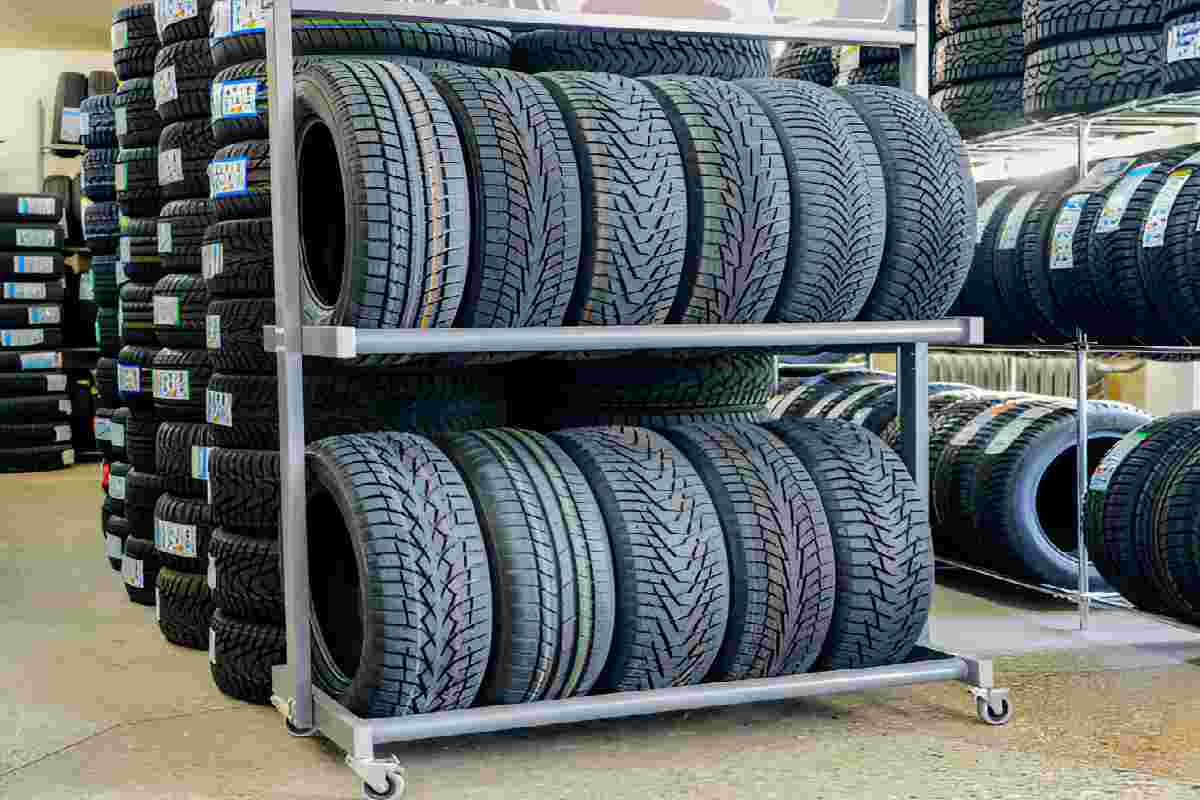
Second Hand Tire Shop Near Me: Find Quality Used Tires
Ever searched for a second hand tire shop near me and wondered if you’re about to get scammed with bald tires or mismatched sizes? I’ve been there, driving on worn-out rubber after a pothole ambush left me stranded with a flat. You’re probably stressing over high new tire prices—$100+ each—while needing something reliable fast, without breaking the bank.
That’s why I dove deep into used tire shops around my area. No fluff, just real talk from someone who’s swapped tires in parking lots and haggled for deals. In this guide, I’ll walk you through finding legit second hand tire shop near me spots, what to check before buying, and tips to make those tires last. Whether you’re in a big city or suburb, these hacks work everywhere.
Why Go for Second Hand Tires? My Take
New tires are shiny, sure, but used ones from a good second hand tire shop near me can save you 50-70% if you pick smart. I grabbed a set of four Bridgestones for $200 total last summer—half what new would’ve cost. They’re perfect for budget drivers, commuters, or if you’re testing all-seasons before committing.
Quick Pros I Love:
-
Cheaper Upfront: Great for students or side-hustle rides.
-
Eco-Friendly: Keeps tires out of landfills.
-
Variety: Rare sizes for older cars or trucks.
Downsides? They wear faster, so inspect hard. Check out my video game stores near me guide for more local service tips that overlap here.
How to Find Your Second Hand Tire Shop Near Me
Start with Google Maps or Yelp—type “second hand tire shop near me” and filter by 4+ stars. I always cross-check reviews for “honest inspections” mentions. Apps like Tire Rack have used sections too, but local shops beat shipping hassles.
My Go-To Search Steps:
-
Pin Your Location: Add your zip code for hyperlocal results, like “second hand tire shop near me 90210.”
-
Hours Check: Aim for 24-hour spots if you’re in a pinch—similar to 24-hour pharmacies near me.
-
Call Ahead: Ask about current stock for your tire size (e.g., 205/55R16).
Pro move: Drive by during daylight. I found a gem in LA via Grand Central Market chats—locals tipped me off to a nearby salvage yard.
Spotting Quality Used Tires: My Inspection Checklist
Don’t grab and go. At any second hand tire shop near me, flip the tire and eyeball these:
Tread Depth Must-Haves:
-
Minimum 4/32nds: Use a penny test—Lincoln’s head should be hidden. Mine lasted 15,000 miles at that depth.
-
Even Wear: No cupping or feathering from bad alignment.
Sidewall and Structure:
-
No Cracks or Bulges: UV damage kills sidewalls fast.
-
DOT Code Fresh: Last four digits show manufacture week/year—aim for under 5 years old.
Other Red Flags:
-
Dry Rot: Tiny cracks mean trash it.
-
Valve Stem Condition: Leaky ones waste air.
Snap pics and compare to new tire charts online. Tools like a $10 tread gauge pay off quick.
Top Chains and Local Heroes for Second Hand Tires
Discount Tire and America’s Tire often have used bins, but independents shine for deals. In my neck of the woods:
-
Utires.com: Ships nationwide, but check local pickup.
-
Local Salvage Yards: Goldmines post-wreck—cleaner than you think.
For cities, hit work from home jobs New Jersey areas where commuters need cheap rubber. I scored at a Phoenix yard after reading Ashley Furniture near me trucker forums.
Regional Picks:
-
LA/Ventura: Bob’s Tire Shop—vetted via reviews.
-
NYC: Bronx used tire alleys, but haggle hard.
-
Texas: Houston’s mega yards for truck sizes.
Pricing Breakdown: What to Pay
Expect $20-60 per tire based on brand and tread. Michelins run higher, but generics fit budgets.
My Deal Benchmarks:
| Tire Type | Avg Used Price | New Price Comparison |
|---|---|---|
| All-Season | $30-50 | $120+ |
| Performance | $40-70 | $150+ |
| Truck/Off-Road | $50-100 | $200+ |
Negotiate bundles—mounting/balancing often free. Link it to highest paying RN work from home jobs savings mindset.
Installation and Balancing: Don’t Skip This
Cheap tires flop without pro install. Budget $20-40/tire for mounting. I learned the hard way—vibrations wrecked my steering.
At the Shop:
-
Balance Every Time: Spins prevent shakes.
-
Alignment Check: $80 well spent post-swap.
Mobile services like those from Pick-Kart.com deliver convenience.
Maintenance Hacks to Stretch Used Tires
Max out life with these—my set hit 20k miles easy.
-
Rotate Every 5k Miles: Front to back swaps even wear.
-
Air Pressure Weekly: 32-35 PSI cold; underinflation kills tread 20% faster.
-
Avoid Potholes: Drive smooth, like cricket fans dodging balls in P N U19 vs B N U19.
Seasonal Swaps: Summer to winter if you live where it snows. Track via apps.
Common Scams and How I Dodged Them
Shady shops flip dangerous tires. Watch for:
-
Odometer Lies: “Low mileage” claims without proof.
-
Hidden Damage: Paint-over cuts.
-
No Warranty: Good ones offer 30-day returns.
Stick to cashless pays for trails. Insurance tie-ins like Hugo Insurance cover blowouts.
When to Splurge on New Tires Instead
If you’re highway-heavy or safety-first (family hauler), new wins. Used shine for city pothole warriors.
Decision Tree:
-
Daily commute under 50 miles? Used rocks.
-
Track days or towing? New only.
Real Stories from My Tire Hunts
Last month, a flat on I-10 led me to Discount Tire’s used rack—$250 total, smooth ride since. Friend in NJ got truck tires cheap via remote job savings—ties to Selenium deep dive testing patience.
Stats: Used market grows 10% yearly as costs rise. You’re not alone.
Eco Angle: Greener Driving Choices
Reusing tires cuts waste—1 tire = 20lbs saved from dumps. Pair with carpooling for max impact.
Future Trends in Used Tires
Retreading booms—factory-refurbs like new at half price. Watch apps for AR fit-checks.
Final Thoughts: Hit Up a Second Hand Tire Shop Near Me Today
There you have it—your roadmap to scoring safe, cheap tires from a second hand tire shop near me. Inspect smart, maintain ruthless, and drive worry-free. I saved hundreds; you can too. Search now and roll out smiling.